The Definitive Guide to PVC Waterproof Bags: Materials, Technology, and Why Quality Matters
The Evolution of PVC Waterproof Materials: From Basic Utility to Advanced Protection
The history of Polyvinyl Chloride (PVC) as a waterproofing material is a testament to continuous innovation. First synthesized in the 19th century, PVC's commercial waterproofing applications began in the mid-20th century, primarily in industrial and military contexts. Today, the PVC used in our premium waterproof bags represents the culmination of decades of research. We utilize food-grade, phthalate-free PVC that complies with the latest REACH (EC 1907/2006) and CPSIA regulations, ensuring not only exceptional waterproofing but also user safety. Unlike earlier generations of PVC that could become brittle in cold weather, our proprietary blended polymers maintain flexibility in temperatures ranging from -20°C to 60°C (-4°F to 140°F). The molecular structure of our material is engineered for high tensile strength (exceeding 18 MPa) and exceptional tear resistance, providing a durable barrier against abrasion, punctures, and the degrading effects of UV exposure.
Decoding Waterproof Ratings: What IPX8 and Beyond Really Mean for Your Gear
A common point of confusion for consumers is the true meaning of "waterproof." We adhere to the rigorous International Protection (IP) Marking code, specifically the IPX8 rating. This rating, a core standard for our product line, certifies that our bags can withstand continuous immersion in water deeper than 1 meter for over 30 minutes without ingress. But our commitment goes beyond the standard. Our "Pro Series" undergoes a "Dynamic Pressure Test," where bags are subjected to simulated wave action and pressure changes equivalent to 5-meter depths. This ensures that your electronics, documents, and clothing remain protected not just from rain or splashes, but from the unexpected—a dropped bag in a lake, a sudden wave at the beach, or torrential downpours during travel. The sealing mechanism, employing high-frequency ultrasonic welding, creates a seamless, molecular bond at the seams, eliminating the needle holes that are the primary failure point in stitched bags.
Comparative Analysis: PVC vs. TPU vs. Nylon PE – Choosing the Right Material
Selecting a waterproof bag involves understanding material trade-offs. Here’s a detailed comparison:
Our High-Density PVC: Offers the best cost-to-performance ratio. Excellent long-term waterproof integrity, high resistance to oils, acids, and salts, and superior puncture resistance. Ideal for general-purpose travel, beach use, and industrial packaging. Slightly heavier than some alternatives but offers unmatched durability.
Thermoplastic Polyurethane (TPU): Known for high clarity, flexibility, and excellent cold-weather performance. Often more expensive. While highly waterproof, it can be less resistant to certain chemicals and may be more prone to scratching. Best for applications where extreme flexibility and transparency are prioritized.
Nylon with PE Lamination: Lightweight and packable, often used in ultralight dry bags. The laminated polyethylene (PE) layer provides waterproofing, but the construction is generally less robust against abrasion and punctures over time compared to solid PVC. Excellent for backpackers prioritizing every ounce.
Our recommendation is clear: for the blend of absolute waterproof security, day-to-day durability, and value, high-quality PVC remains the superior choice for most users.
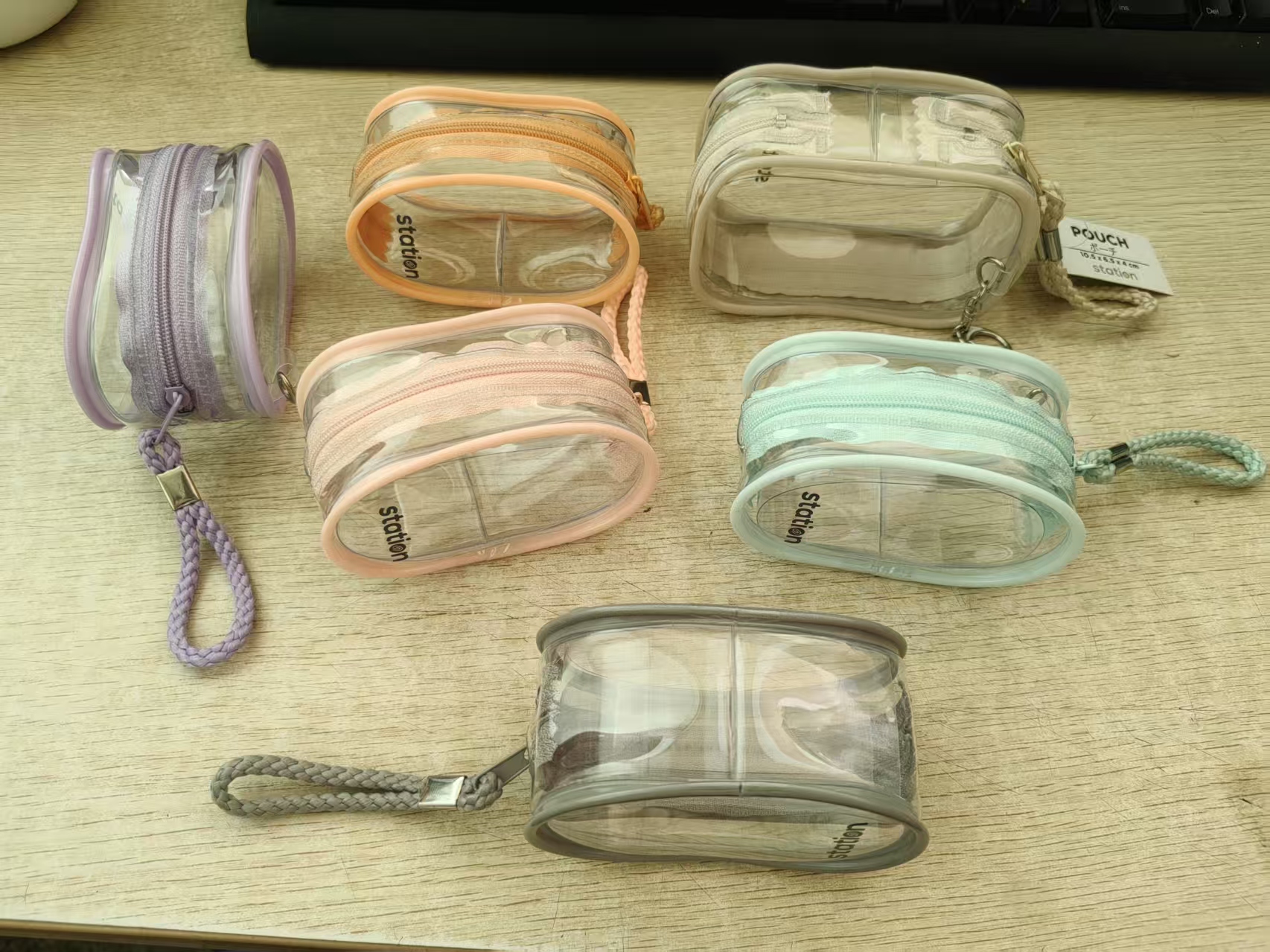 PVC 充电器包装袋|工厂直供,为电子配件打造安全 + 美观 + 定制化的包装解决方案
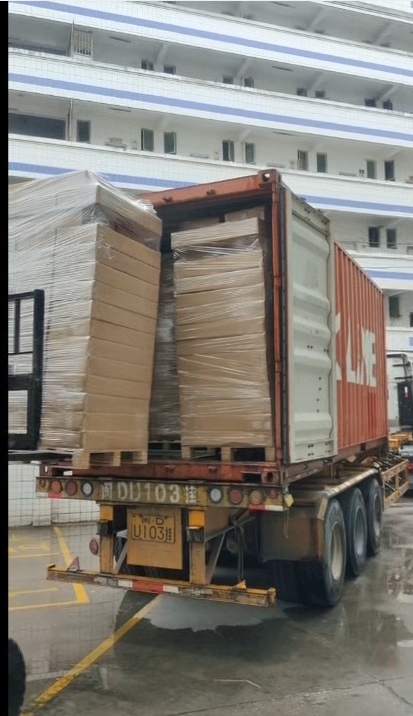 出口日本的工地图纸文件袋,正批量启运!见证专业品质的装柜时刻
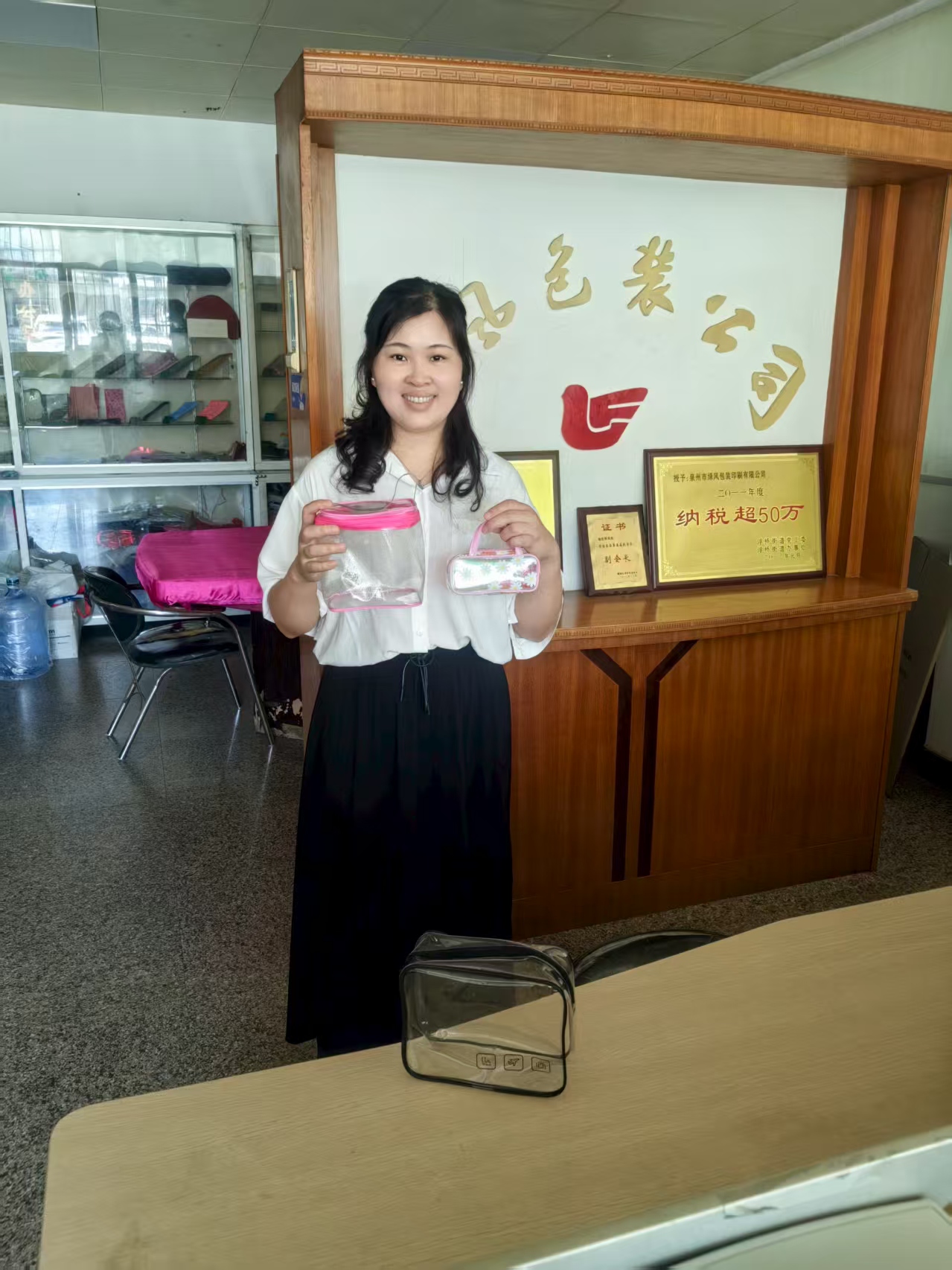 300 + 精选样品齐聚!探秘样品室,定制你的专属产品方案
 专业 PVC BAG的制造商独立站正式上线,赋能全球采购需求