Oct 14, 2026Buying Guides
Why PVC Packaging Bags Remain a Staple for Global Buyers
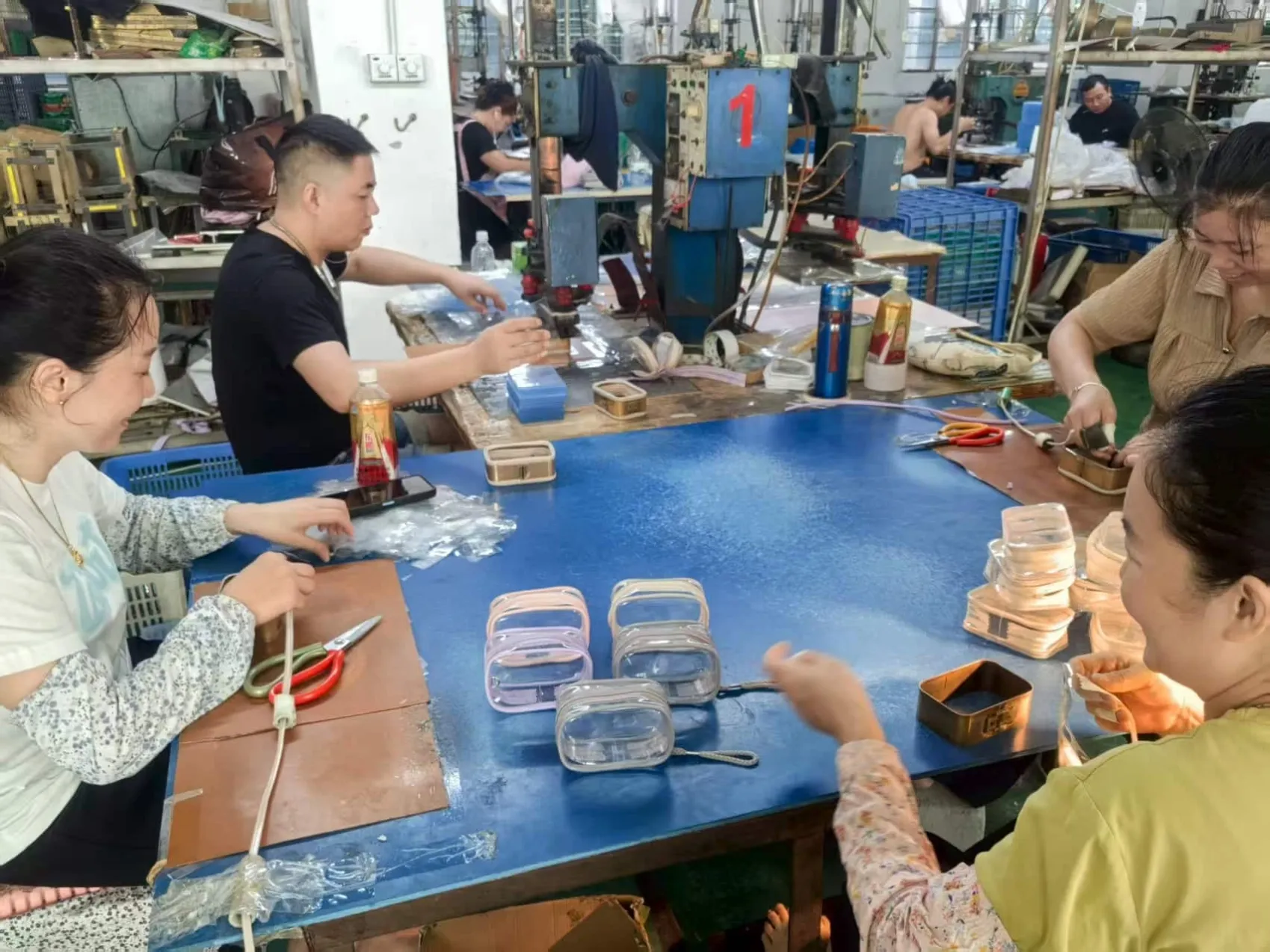
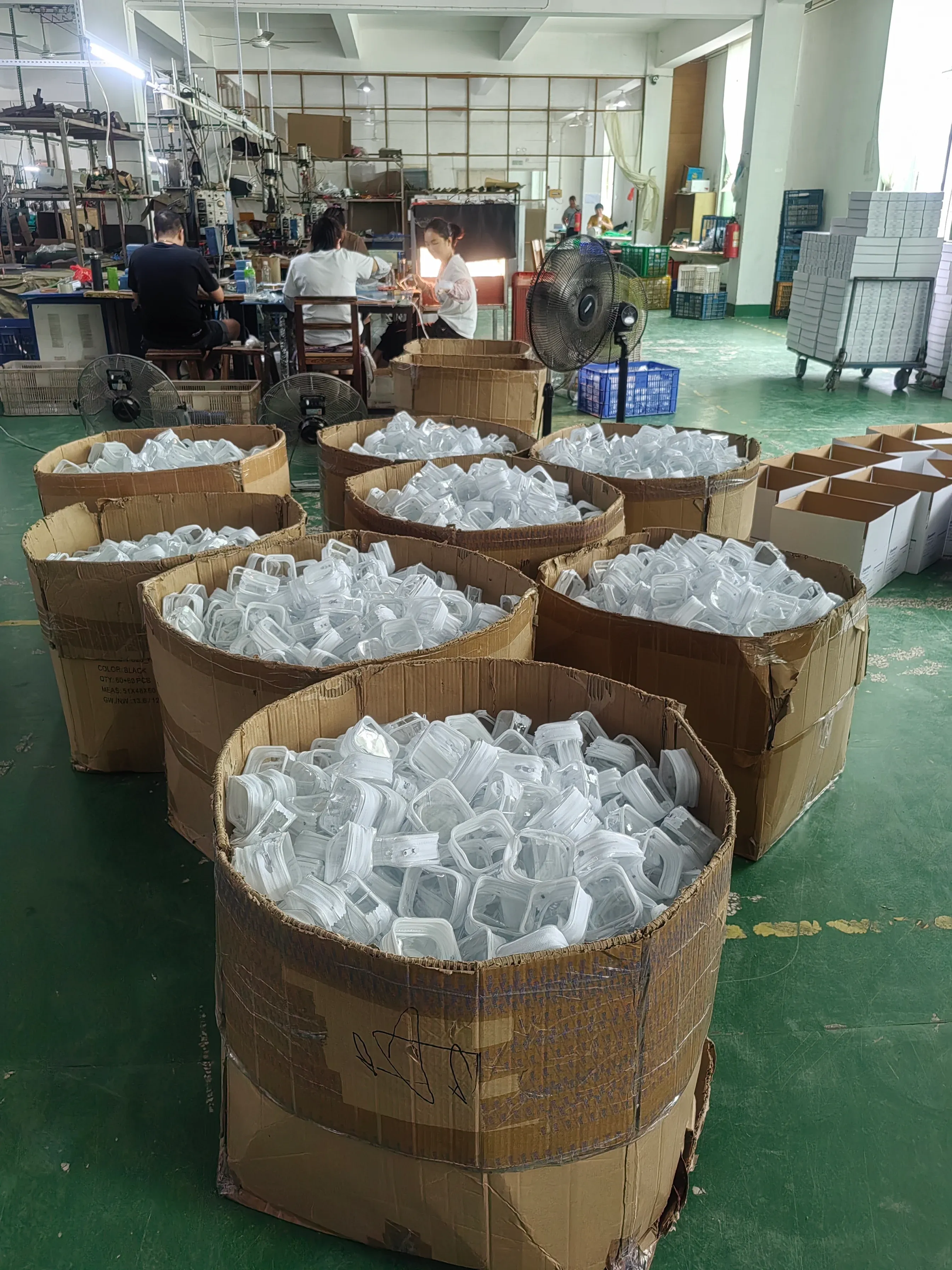
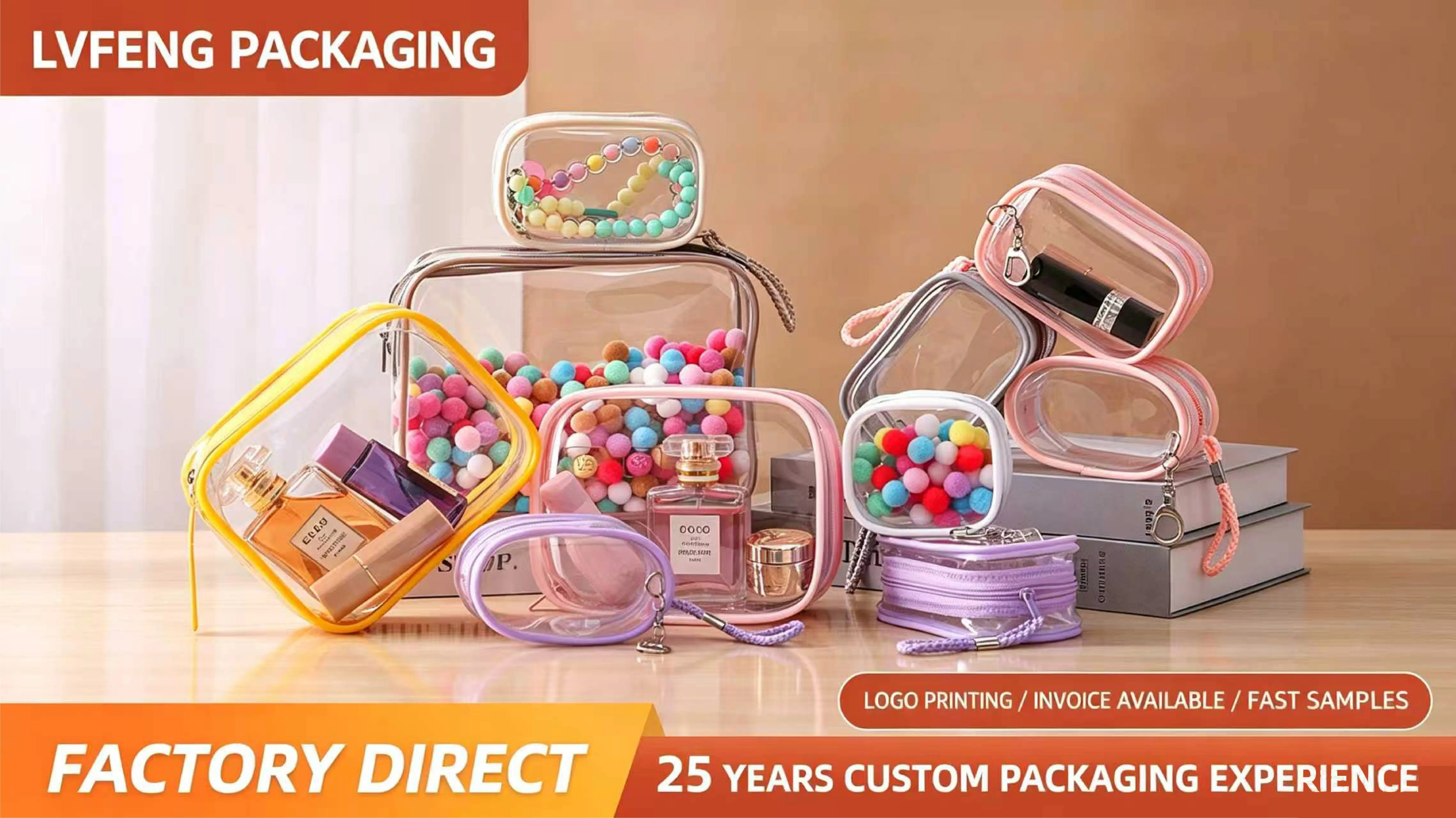
Custom clear PVC packaging bags in various styles with heat-sealed edges, printed logo and zipper closure from Lvfeng Packaging factory
complete-guide-custom-pvc-packaging-bags
1. Why PVC Packaging Bags Remain a Staple for Global Buyers
PVC packaging bags are among the most widely used transparent packaging solutions across retail, cosmetics, electronics, gift and daily goods industries worldwide. The material combines clarity, flexibility, waterproof performance and cost efficiency, making it suitable for nearly any packaging scenario where the product inside should be visible. Many buyers compare only unit prices when contacting factories, ignoring material grade, sealing method, printing technology and compliance testing, which are the factors that actually decide finished quality. As a result, bulk shipments may arrive with cracking, leaking, wrinkling or peeled logos, causing losses far greater than the price difference they saved. Written from a direct factory perspective, this guide explains the complete knowledge system of custom PVC packaging bags, helping you avoid costly mistakes in inquiry, sampling and inspection.
2. Three Key Properties of PVC Material
The first property is transparency. PVC can achieve a near-glass clear effect that lets customers see the product inside at a glance, which is the fundamental reason it is widely used for retail packaging. Besides full transparency, PVC also supports frosted, semi-transparent and solid color finishes for privacy protection and different visual styles. The second property is flexibility and resilience. Thickened PVC bounces back quickly after bending, offers strong tear resistance and keeps its shape after repeated use, making it suitable for storage pouches and toiletry bags that need long-term reuse. The third property is waterproof and moisture-proof performance. The dense molecular structure of PVC resists liquid penetration, protecting the contents from splashes and humidity. This is also why PVC is commonly used for swimming bags and wash bags.
3. How to Choose Film Thickness from 0.1mm to 0.8mm
Common PVC film thickness on the market ranges from 0.1mm to 0.8mm. Thin grade (0.1 to 0.2mm) is often used for disposable promotional packaging and small inner pouches, offering low cost but limited strength. Medium grade (0.3 to 0.5mm) is the mainstream choice, balancing hand feel, stiffness and durability, suitable for cosmetic organizer bags, gift bags and garment packaging. Heavy duty grade (0.6mm and above) provides stronger tear resistance for large storage bags, tool bags and outdoor applications. When sourcing, tell the factory the actual use of the product so they can recommend the right thickness, instead of pushing for thinner film purely to reduce price and ending up with weak finished goods.
4. Common Bag Styles and Closure Structures
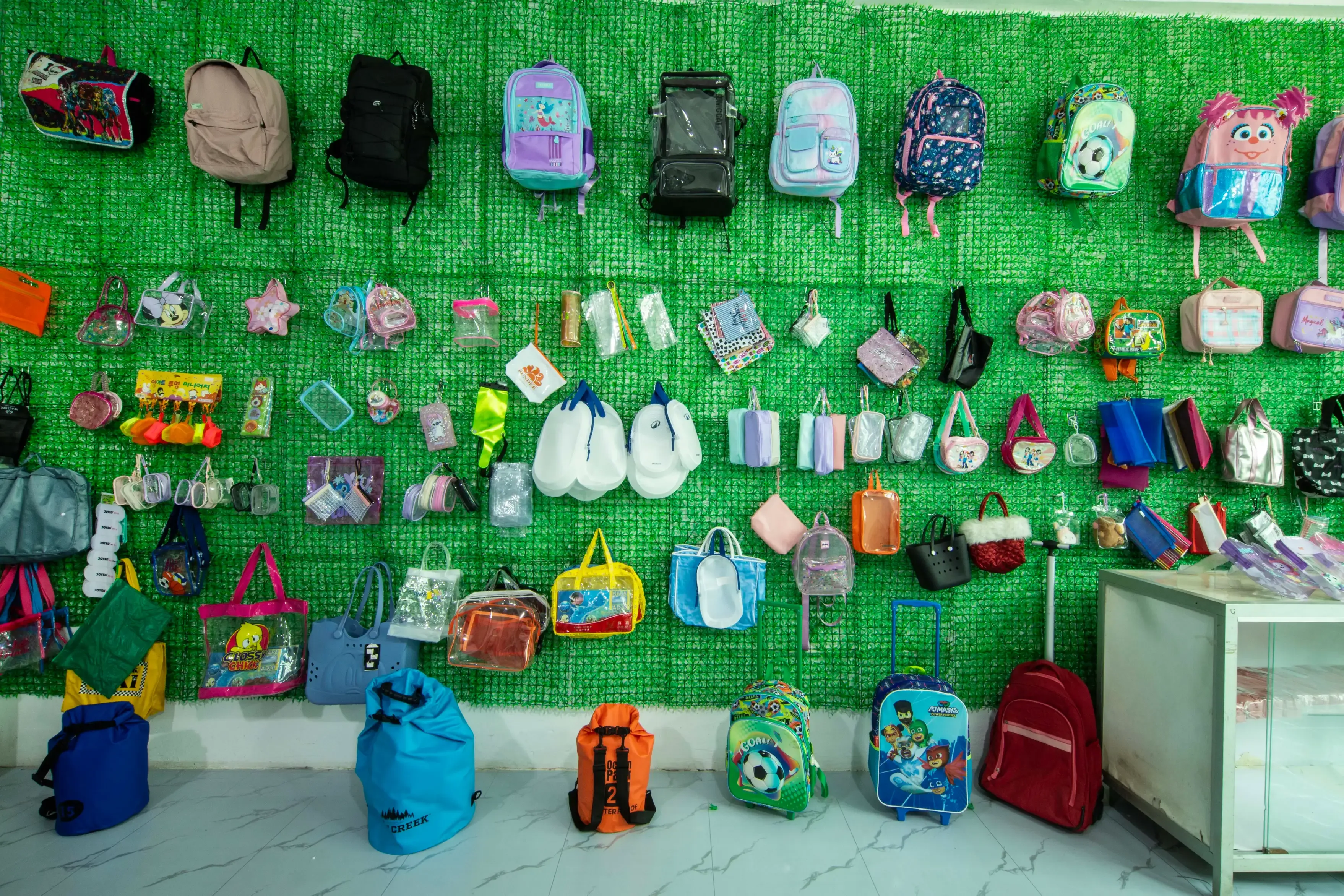
The style options for PVC bags are highly flexible: three-side seal bags, stand-up pouches, flat bags, zipper bags, handle bags, gusseted bags and envelope bags can all be produced. The closure structure directly determines user experience and sealing performance. Zipper closures allow repeated opening and closing, suitable for storage products. Stand-up pouches stand on their own for shelf display. Handle bags are convenient to carry, ideal for gifts and retail use. It should be noted that bag style and closure structure affect mold making and production process, so it is best to provide the application, dimensions and desired closure style together during inquiry, allowing the factory to give an accurate mold and cost evaluation.
5. Sealing Method: The Essential Difference Between Heat Welding and Sewing
This is the most common pitfall in sourcing. Ordinary sewing leaves needle holes along the stitch line, which are weak points for liquid and fine dust penetration. High-frequency heat welding fuses PVC film together under high temperature and pressure, leaving no pinholes and providing excellent sealing, waterproof and dustproof performance. It is the mainstream process for premium PVC bags. Some composite structures, such as school bags and backpacks combining PVC with fabric, still require sewing, but the stress areas are reinforced through pre-lamination and tape sealing. Always confirm the sealing method during inquiry, especially for waterproof products, because this single factor decides the sealing performance of the finished goods.
6. How to Choose Printing Methods
PVC bags support multiple printing methods. Silk screen printing suits simple patterns and large color blocks with low cost and solid ink coverage. UV full-color printing delivers high color reproduction for complex artwork and gradients. Hot stamping provides a premium metallic effect for gifts and high-end positioning. Heat transfer printing is flexible for small batches with multiple designs. Colors can be matched against Pantone numbers to keep brand colors accurate. Note that the printing result varies with the surface finish of the film: frosted and high-clarity surfaces present colors differently. Confirm the finish and printing effect during sampling to avoid color or clarity issues in mass production.
7. Compliance: Confirm Requirements Before Exporting to Europe and America
Environmental requirements for PVC products vary greatly across markets. When exporting to Europe and America, buyers usually need to consider regulations such as REACH and California Proposition 65. Some products also involve plasticizer (phthalate) content testing and safety certification for contact with food and cosmetics. Compliance testing affects raw material formulation and production cost, so always inform the factory of your target market during inquiry. This allows the factory to match the material solution in advance, avoiding shipment detention, return or greater losses caused by failed testing at the destination port.
8. The Complete Custom Workflow and Inquiry Tips
A reliable factory's OEM process generally includes: requirement communication and artwork evaluation, material and structure selection, sampling and revision, sample approval, bulk production, outgoing quality inspection and shipment. Sampling is the key stage for quality control. Moving into mass production only after sample approval significantly reduces batch risk. Factories that support small trial orders are well suited to new brands that want to test the market before scaling up. To get accurate quotations, provide the following information in one inquiry: product application, target market, expected size and thickness, bag style and closure, printing requirements including artwork, colors and process, and estimated quantity. The more complete the information, the closer the samples and prices will be to your real needs, and the lower the later communication cost.
Conclusion: PVC packaging bags look simple, but material, craftsmanship and compliance each affect the final delivery quality. If you think through the points above before inquiry, you will find not just low prices, but a stable and reliable supply partner.