Oct 16, 2026Buying Guides
How are safe and durable school backpacks really made?
How are safe and durable school backpacks really made? Fabric selection, ergonomic shoulder straps, reinforced stitching, safety standards, age-based sizing and OEM development for wholesale buyers.
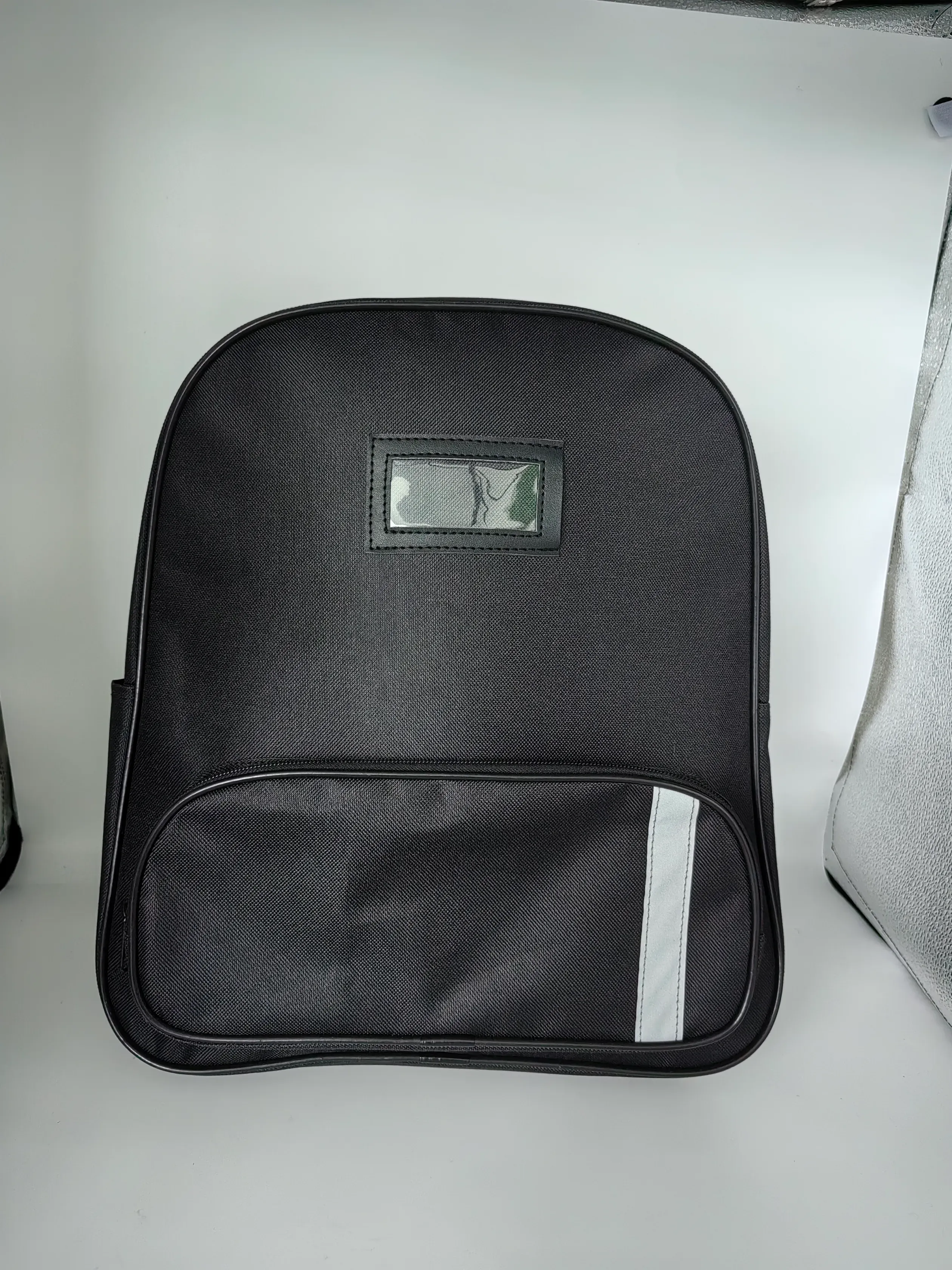
How are safe and durable school backpacks really made? Fabric selection, ergonomic shoulder straps, reinforced stitching, safety standards, age-based sizing and OEM development for wholesale buyers
1. Three Trends in the School Backpack Market
School backpacks are among the most stable categories in school supplies, but buying requirements have clearly upgraded in recent years. The first trend is lightweight design. Parents and schools increasingly care about the empty weight of the bag, because an overly heavy bag adds burden to children. The second trend is spine protection and pressure reduction. Wide shoulder straps, breathable back panels, chest buckles and waist buckles have become standard features, and overseas markets especially value carrying comfort. The third trend is easy cleaning and waterproof performance. Traditional fabric backpacks absorb water and hold stains, while backpacks with PVC composite panels can be wiped clean with a damp cloth and offer splash resistance, making them a new hotspot for cross-border sellers and brand procurement. Understanding these three trends is the precondition for developing products that sell well.
2. Fabric Selection: From Durability to Easy Cleaning
Fabric selection directly affects durability and cleaning cost. High-density oxford fabric is the classic choice, offering tear resistance and abrasion resistance. With a water-repellent coating, it can handle light rain. Composite PVC fabric presses a PVC layer onto a fabric base, creating a waterproof and wipe-clean surface that resists stains, suitable for younger children. Polyester and nylon blends are lighter, fitting lightweight positioning. Note that fabric weight, weave and coating technology determine hand feel and cost. During sampling, confirm color fastness, water-repellent grade and abrasion test results together, so you do not focus only on appearance while ignoring long-term performance.
3. Structural Design: Straps, Back Panel and Compartments
For a qualified school backpack, structural design matters more than appearance. Shoulder straps should be widened and padded with high-rebound foam, distributing pressure across the whole shoulder instead of digging into it. The back panel should use breathable foam or a supportive structure that follows the curve of the back and reduces spine pressure. Stress areas such as the handle, strap attachments and bottom should use reinforced stitching and bar tacking to prevent thread breakage. For storage, the main compartment holds textbooks, the front pocket holds stationery, side pockets hold water bottles and umbrellas, and a separate laptop sleeve serves middle school students. A well-designed compartment layout not only improves the user experience, but also justifies a higher price in the eyes of end consumers.
4. Safety Standards: Low Odor and Test Reports
Children's products face higher safety requirements than ordinary bags. European and American markets impose strict limits on fabric odor, formaldehyde content, heavy metals and small part security. Some markets also require compliance with specific children's product regulations. A reliable factory selects low-odor eco-friendly fabrics and can provide corresponding test reports. When sourcing children's backpacks, always put the safety standard requirements of your target market into the inquiry so the factory can match a compliant material solution at the raw material stage. It should be specially noted that zipper pulls, buckles and decorative parts must be firmly attached. If they can be removed easily, they may pose a small-part choking hazard, and this structural safety issue needs dedicated confirmation during development.
5. Age-Based Design: From Toddlers to Teenagers
Children at different ages have very different physical development and loading needs. Bags for young children have small capacity and light weight, cute patterns, and emphasize easy opening and easy cleaning. Elementary school backpacks need to balance textbook loading and spine protection, with side pockets and water bottle holders as basic requirements. Middle school backpacks increase capacity, need laptop sleeves and more mature colors, and demand a better carrying system. When the factory plans products by age group with corresponding sizes and structures, buyers can choose the development direction that matches their target customers, instead of using one style for all ages, which leads to unclear positioning and scattered sales.
6. OEM Development Process and Customization Points
OEM development for backpacks generally includes: style and artwork confirmation, fabric and color sampling, structural pattern adjustment, sample approval, bulk production and outgoing inspection. Customization points usually include: size and capacity, fabric color and material, logo methods such as silk screen, embroidery, heat transfer and hot stamping, webbing and accessory colors, and pocket layout. The try-on feedback during the sampling stage is very important. Strap length, back panel curvature and weight distribution should all be adjusted in the sample stage. Factories that support small trial orders are suitable for brands that want to test a small batch before scaling up, reducing the risk of slow-moving stock.
7. Advice for Buyers
First, clarify the target age group and sales channel before discussing styles and configurations. Second, put safety compliance requirements into the inquiry and ask for test reports. Third, value the sample try-on stage, because structural comfort decides repurchase rate. Fourth, confirm reinforcement details, since the durability of a backpack mainly depends on how stress areas are handled. Fifth, if you source matching products such as PVC storage pouches and waterproof bags at the same time, place a combined order for unified shipment to reduce procurement and logistics costs. School backpacks are a typical experience-driven product. Only when details are solid can you earn stable reputation on both wholesale and retail sides.